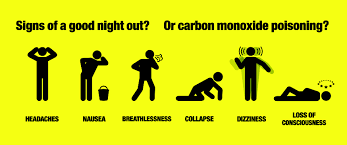
Headache and nausea after a night out on the town: Just a hangover? Or a "can't miss" diagnosis?

images-e1518866650919.png

It’s In-Service season, people! Let’s review the essentials of carbon monoxide poisoning. And before you start with your “Ugh, really? How many times do we have to—“, let me cut you off and have you gimme the full list of indications for hyperbaric oxygen therapy…. EXACTLY. Are you ready to review now?

1)  How do these patients present?

HISTORY, HISTORY, HISTORY. The classic example goes something like: A family of five presents from home in the dead of winter complaining of headaches associated with a myriad of vague, nonspecific complaints.

Later on, you overhear mom mention, out of frustration, that she had to pay for an Uber XL to get the whole fam to the ED tonight, since dad’s Camero was ‘on empty.’   Turns out, upon arriving home from the bars last night, dad accidentally left his car keys in the ignition before passing out in the doorway connecting the garage to the kitchen. (Ok, so maybe you won’t see that last part on the boards, but it’s my favorite real-life example).

The most common complaints: (1) HEADACHE, (2) nausea, (3) dizziness, and mental status changes with more severe toxicity (memory disturbances commonly manifested as amnesia, decreased cognition, stupor, coma, gait disturbances, etc). Keep in mind that the list of potential associated complaints is broad and encompass nearly every organ system.

Don’t count on the physical exam to nail the diagnosis. Remember that pulse oximetry is not affected. Know the traditional buzz words “cherry red” lips and skin for the boards; but also know that these are rarely seen in clinical practice.

2) How is it diagnosed?

Send a co-oximetry panel. Don’t get tripped up on details- you can send either a venous or arterial blood sample. If your clinical suspicion is high, do not delay treatment pending results.

A CO level >3% in non-smokers, or >10% in smokers, is diagnostic.

The actual percentages weakly correlate with associated symptoms and overall prognosis.  That being said, in the proper clinical setting, you can make the diagnosis and treat presumptively with normal or borderline CO levels.

3) How is it treated?

ABC’s- Intubate if the patient is altered and unable to protect his/her airway. Administer 100% oxygen via NRB. Keep this patient on a cardiac monitor. If for no other reason, CO binds to cardiac myoglobin with an even greater affinity than to hemoglobin, resulting in cardiac ischemia, ventricular arrhythmias, and cardiovascular collapse in severe cases. Finally, know your indications for Hyperbaric Oxygen (HBO).**

**note: this list is variable (and debatable) depending on the source, but generally accepted indications include: anyone who is pregnant, anyone who has signs of cardiac ischemia, history of prolonged LOC, or presence of neurological deficits.

  • Focal neurological deficits, coma, h/o transient LOC (transient LOC = independent risk factor for increased morbidity)
  • Pregnancy (with CO > 15%)
  • Evidence of cardiac ischemia, usually on EKG (or h/o CAD with CO >20%)
  • Basically any symptoms with CO >40%
  • Symptoms that don’t resolve after 6 hrs of 100% O2 via NRB

KEEP IN MIND: Clearance of CO via:

Room air: ~300 minutes

100% NRB: ~90 minutes

HBO: ~15-30 minutes

IDEALLY, TRANSFER FOR HBO SHOULD BE MADE ON A CASE-BY-CASE BASIS, AND SHOULD TAKE INTO CONSIDERATION THE STABILITY OF THE PATIENT FOR TRANSFER AND THE TIME INVOLVED FOR THE TRANSFER PROCESS ITSELF, AMONG OTHER THINGS.

The reason we transfer patients for HBO therapy = prevention of long-term neurologic sequelae.  


Want to learn more?

https://lifeinthefastlane.com/ccc/carbon-monoxide-poisoning/

https://lifeinthefastlane.com/ccc/hyperbaric-oxygen-and-carbon-monoxide-poisoning/

https://emedicine.medscape.com/article/819987-treatment#d12

https://emcrit.org/racc/cardiac-arrest-after-smoke-inhalation/


SaveSave

 · 

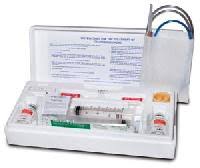
Can you ID the active ingredient in the Cyanokit?

cyanokit.png

1) Name the active ingredient in the Cyanokit. The Cyanokit contains hydroxocobalamin (HCN), which is essentially Vitamin B12 + an extra hydroxyl group. It is one of two main antidote kits in circulation for treatment of cyanide poisoning. The other most commonly distributed kit is aptly named the Cyanide Antidote Kit. It contains amyl nitrite and sodium thiosulfate.

2) Why does this matter?

One of these two kits is contraindicated in patients with cyanide poisoning in whom there is a concomitant concern for carbon monoxide poisoning (ie: patients involved in home/commercial fires or smoke inhalation victims-- the most common presentation for cyanide toxicity).

And why is this so? These two kits contain two completely different active compounds that work to clear cyanide by two completely different mechanisms.

Cyanokit: Cyanide displaces the extra hydroxyl group on B12 to form cyanocobalamin, which is excreted by the kidneys.

Cyanide Antidote Kit: sodium nitrite (or any other kit utilizing nitrites) reacts with hemoglobin to form methemoglobin (met-hgb). Cyanide, which throws a wrench in oxidative metabolism by binding with cytochrome oxidase via the electron transport chain, preferentially binds to Met-Hgb over cytochrome oxidase.

Stay with me, people, we’re almost done…. We know that Met-Hgb shifts the oxygen dissociation curve to the left, causing decreased oxygen delivery to the tissues. And increased tissue hypoxia via the production of Met-Hgb compounded by carbon monoxide -induced tissue hypoxia = BAD.


3) Quick! How is the Cyanokit administered?

Each kit contains a vial with 5 g of hydroxocobalamin in powdered form, IV tubing, transfer spike and instruction card. You will need to grab a bag of 0.9% normal saline.

Inject 200ml of NS into the vial. Rock (do not shake) the vial back and forth for 60 seconds to mix. Hang and infuse over 15 minutes.  The standard 5 g dose should be sufficient without needing to re-dose.

Don’t forget to draw labs BEFORE starting the infusion, since hydroxocobalamin will interfere with the results of labs that rely on the use of colorimetric probes, which includes your carboxyhemoglobin level, as well as lactate and certain LFTs.


Want to learn more?

https://lifeinthefastlane.com/tox-library/toxicant/inhalation/cyanide/

http://www.thepoisonreview.com/2009/12/18/hydroxocobalamin-vs-sodium-nitrite-cyanide-antidote-smackdown/

http://www.thepoisonreview.com/2010/04/10/cyanide-antidote-smackdown-hydroxocobalamin-vs-sodium-nitrite/

https://emcrit.org/racc/cardiac-arrest-after-smoke-inhalation/


SaveSave

 · 

Sugar, Spice, and Everything Nice: A Look into Natural Products Marketed for Your Heart

We all know that maintaining good heart health is a major key for years of longevity. There are many prescription drugs that treat heart disease, but how useful are natural products/herbal remedies that are promoted on television and in magazines? For hundreds of years, apothecaries (ancient pharmacists) have been utilizing nature to treat cardiac ailments. Interestingly, many medications including cholesterol drugs (known as statins), chemotherapy (anthracyclines, taxols, vinca alkaloids), and antibiotics are purified forms of natural products. It’s reported that about 114 million American adults use at least one of the 85,000 natural products that are available.¹ Let’s take a quick look into what our friends, family, and patients might be using and understand the risks and benefits.

Before diving into some of these natural products, it’s important to understand how these products are regulated. Unlike natural products, prescription drugs and “conventional” over-the-counter medications (e.g. Nyquil, Tylenol, and Benadryl) are heavily regulated by the Food & Drug Administration (FDA). This regulation generally scrutinizes the benefits/harms the drug had in clinical trials and the manufacturing process, including raw ingredient inspections. Unfortunately, this same oversight doesn’t apply to natural products such as vitamins, minerals, and herbal supplements. There is less scrutiny on manufacturers which may increase the risk of impurities and contamination. This is why it’s always important to pick a “major/recognizable” natural product brands instead of “no-name” generic brands. Natural products are not legally considered “drugs”; instead they’re considered “dietary supplements.” The Dietary Supplement Health and Education Act of 1994 (DSHEA 1994) prevents natural products from making any health claims, but they are permitted to use phrases such as “supports heart and energy function.” Many of these supplements have the same side effects and drug interactions as prescription medications (since many are derived from the same source), but they can be purchased by anyone without healthcare provider oversight. Nonetheless, there is great potential for these products if they’re utilized under proper medical supervision. Let us take a look at three agents that “support heart health.”

Garlic

Garlic is not only the key to making a great dish, but it may also modestly block cholesterol producing enzymes in the liver (HMG-CoA reductase), help dilate hardened arteries (nitric oxide synthesis), and block components of the high blood pressure cascade (RAAS). However, a substantial amount must be

consumed to possibly see these effects (1-3 cloves/day).4 Your coworkers may not appreciate the new aroma you will bring to work by consuming so much garlic. The clinical studies have mixed results on garlic’s true benefit, but it appears that garlic powder used for cooking may give you more “bang for your buck” over garlic pills. A pitfall is that too much garlic may cause your blood to become thinner because it blocks the way your platelets function. This may have detrimental effects especially if someone is already on a blood thinner such as Aspirin, Plavix, Coumadin, Eliquis or Xarelto.

Coenzyme-Q10 (Co-Q10 or ubiquinone)

Co-Q10 is an antioxidant predominantly found in muscle cells throughout the body including the heart. Very limited studies of Co-Q10 demonstrate that this antioxidant may reduce long term cardiovascular damage after CPR and cardiac surgery.5,6 This medication is officially approved in Japan for improving symptoms associated with congestive heart failure (CHF). A multinational study performed in Asian CHF patients (Q-symbio trial) found a statistically significant reduction in cardiac events and a modest improvement in survival, but the study has a few limitations and the “real-life” benefit remains unclear.7,8,9 Co-Q10 may also help reduce side effects of certain prescription cholesterol medications (statins) by replacing the deficient factor implicated in muscle aches. Co-Q10 is a fat-based vitamin so it should be taken with the largest meal of the day. One may need to also consider the side effects prior to starting this medication. Co-Q10 has been associated with abnormal liver tests, insomnia, rashes, gastrointestinal effects, and increased chance of sun burns. Co-Q10 may also interact with medications such as warfarin causing an increased risk of clotting.

Red Yeast Rice

Red yeast rice is a traditional Chinese herbal supplement readily available in the United States. It gained notoriety with its reputation for lowering cholesterol. Red yeast rice contains an ingredient known as “monacolin K” which is chemically identical to the prescription medication Lovastatin (Mevacor). Red yeast rice works similar to prescription cholesterol medications by preventing the formation of cholesterol in the liver. In 1998, the FDA attempted to ban red yeast rice as it is technically a prescription entity; however this ruling was struck down as this natural product was protected by the DSHEA 1994 bill. In comparison to other cholesterol lowering agents known as “statins”, red yeast rice is the least potent (7% cholesterol reduction vs 60% with Crestor) and is associated with significant side effects and drug interactions.10 It is important to note that if someone is already taking “statins”, red yeast rice will put them at a higher risk for muscle toxicity and organ damage (rhabdomyolysis, liver damage).

Next time you are in your local drug store, you may recognize some of these natural products that are intended to supplement a healthy diet. The key is that even “natural” products may still function like medications and can be culprits of very serious side effects and drug interactions. Nonetheless, if you choose the “natural” route, keep all your providers in loop during your track to better health.

Ankit Goel, Pharm. D. Maimonides EM Pharmacy Resident

References

  1. Cohen PA. Hazards of hindsight—monitoring the safety of nutritional supplements. N Engl J Med. 2014;370:1277-1280.
  2. Newman DJ, Cragg GM. Natural Products as Sources of New Drugs from 1981 to 2014. J Nat Prod. 2016;79(3):629-61.
  3. Mathews NM. Prohibited Contaminants in Dietary Supplements. Sports Health. 2018;10(1):19-30.
  4. Reinhart KM, Talati R, White CM, et al. The impact of garlic on lipid parameters: a systematic review and meta-analysis. Nutrition Research Reviews. 2009;22(1):39-48.
  5. Simon-Damian, Maxwell. Coenzyme Q10 Combined With Mild Hypothermia After Cardiac Arrest A Preliminary Study. 1st ed. 2004. Print.
  6. Judy WV, Stogsdill WW, Folkers K. Myocardial preservation by therapy with coenzyme Q10 during heart surgery. Clin Investig. 1993;71(8 Suppl):S155-61.
  7. Mortensen SA. Overview on coenzyme Q10 as adjunctive therapy in chronic heart failure. Rationale, design and end-points of “Q-symbio”—a multinational trial. Biofactors. 2003;18:79–89
  8. Watson PS, Scalia GM, Galbraith A, Burstow DJ, Bett N, Aroney CN. Lack of effect of coenzyme Q on left ventricular function in patients with congestive heart failure. J Am Coll Cardiol. 1999;33:1549–52.
  9. Khatta M, Alexander BS, Krichten CM, Fisher ML, Freudenberger R, Robinson SW, et al. The effect of coenzyme Q10 in patients with congestive heart failure. Ann Intern Med. 2000;132:636–40.
  10. Klimek M, Wang S, Ogunkanmi A. Safety and efficacy of red yeast rice (Monascus purpureus) as an alternative therapy for hyperlipidemia. P&T: A Peer-Reviewed Journal for Formulary Management. 2009;34(6):313–327.